What if every misstep, every slip, every "oops" moment wasn't a sign of failure but a powerful, secret pathway to intelligence? The latest insights from The Psychology of Learning from Errors reveal that our blunders aren't roadblocks; they're vital blueprints for smarter brain growth, meticulously crafted by our very own cognitive architecture. For too long, errors have been stigmatized, seen as something to avoid at all costs. But a growing body of research, spanning neuroscience, cognitive psychology, and educational theory, is flipping this script, demonstrating that embracing and analyzing our mistakes is one of the most effective ways to truly learn, adapt, and innovate.
At a Glance: Key Takeaways on Error-Based Learning
- Mistakes are Learning Signals: Your brain is wired to notice and learn from deviations between expectation and reality, using errors to sharpen attention and refine memory.
- Mindset is Paramount: A "growth mindset" views errors as opportunities for development, while a "fixed mindset" sees them as proof of inability. Cultivate growth.
- Science-Backed Strategies: The testing effect, immediate feedback, and cognitive flexibility are crucial mechanisms for effective error-based learning.
- Practical Tools for Transformation: Reflection, error journaling, micro-repetition, and creating safe practice zones can turn errors into powerful teachers.
- Beyond the Individual: Fostering a "positive error climate" through supportive dialogues among teachers, parents, and peers dramatically enhances learning from mistakes.
The Brain's Masterclass: Why Errors Are Essential for Cognitive Growth
At its core, your brain is a prediction machine. It's constantly taking in information, making educated guesses about what will happen next, and then comparing those predictions with reality. When there's a mismatch – when your expectations don't align with the outcome – that's a "prediction error," and it triggers a complex, powerful learning sequence.
Neuroscience confirms this sophisticated process. The anterior cingulate cortex (ACC) acts like an internal conflict monitor, immediately flagging discrepancies between what you intended and what actually occurred. This signal then alerts the prefrontal cortex, the brain's executive control center, which helps you reorient your attention, adjust your strategy, and update your mental models for the future. It’s a beautifully designed, inherent feature of human cognition – our brains are literally wired to notice mismatches, adjust, and remember, making error-based learning crucial for adaptive intelligence.
Consider a child learning to speak. They'll mispronounce words countless times, but each correction fine-tunes their speech. An adult learning a new language might struggle with verb conjugations, but studies show they remember corrected errors more strongly than passively reviewed information. These aren't glitches in the system; they're the system working exactly as intended, transforming what could be perceived as failures into vital building blocks for growth.
From "I Failed" to "I Learned": Reshaping Your Error Mindset
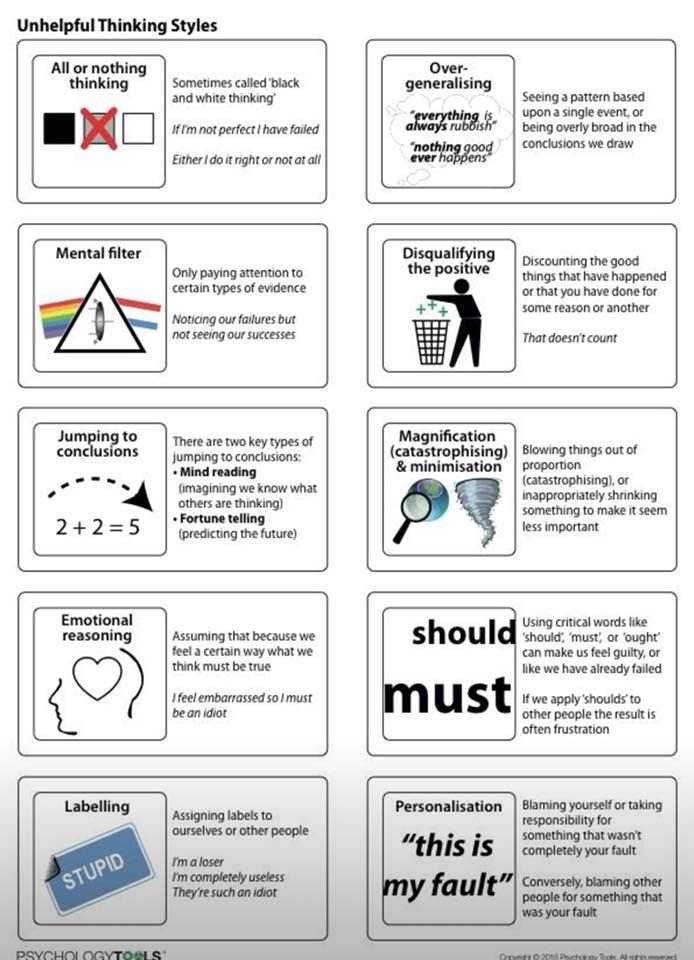
Despite our brains being hardwired for error-based learning, many of us develop a deep-seated fear of making mistakes. This often stems from social and emotional conditioning, where errors are penalized, highlighted, or even shamed in academic or professional settings. Think back to red marks on a school paper or public critiques – experiences that can breed a powerful aversion to risk and error.
Psychologist Carol Dweck's groundbreaking work on mindsets elegantly explains this divide. Individuals with a fixed mindset believe their intelligence and abilities are static traits. For them, mistakes are definitive proof of inability, leading to defensiveness, avoidance, and a crippling fear of looking "bad." In stark contrast, those with a growth mindset understand that abilities can be developed through dedication and hard work. They interpret errors not as failures, but as invaluable opportunities to learn, adapt, and grow.
The impact of this mindset shift is profound. Individuals with a growth mindset are demonstrably more resilient, motivated, and ultimately, more successful. They embrace challenges, persist in the face of setbacks, and see effort as a path to mastery. This is why children, unburdened by years of social conditioning, often learn faster – their natural curiosity leads them to accept mistakes as an integral part of exploration, a stark difference from adults who might fear embarrassment or judgment.
The Science-Backed Strategies for Supercharging Error-Based Learning
The brain's natural inclination to learn from errors isn't just theory; it's backed by specific cognitive mechanisms you can consciously leverage.
The Potent Power of the Testing Effect
Have you ever tried to answer a question before looking up the answer, even if you weren't sure? This act of retrieval, even if incorrect, is incredibly powerful. The "testing effect" demonstrates that actively attempting to recall information, especially when followed by feedback, strengthens memory encoding far more than simply re-reading or passively reviewing material. When you make a mistake during this attempt and then receive the correct information, your brain pays closer attention to the corrected data, embedding it more deeply into your long-term memory. It's not just about getting the answer right; it's about the struggle to find it.
The Timely Feedback Loop
For error-based learning to be effective, feedback is non-negotiable. But not all feedback is created equal. The science suggests that timely feedback is most impactful. When you receive immediate correction after a mistake, your brain can quickly connect the error to the specific action or thought process that caused it, allowing for swift strategy adjustment before the error becomes ingrained. Delayed feedback, conversely, can lose its potency as the initial context of the mistake fades. Interactive, error-based instruction, where a teacher prompts reflection and adapts feedback, proves far more effective than simply being told the correct answer.
Building Mental Adaptability
Learning from errors isn't just about fixing a specific problem; it's about building a more agile, flexible mind. Practicing skills that actively challenge your attention, memory, and flexible thinking – rather than just rote memorization – builds a stronger cognitive foundation. This "mental adaptability" allows you to quickly pivot, reassess, and find new solutions when unexpected outcomes (errors) occur.
Consider the invention of Post-it Notes. It wasn't a success from the outset; it was a "failed" attempt to create a super-strong adhesive. But instead of discarding the error, the researchers recognized its potential as a low-tack, repositionable glue. This wasn't a simple fix; it was a reinterpretation of an error's properties, showcasing immense mental adaptability. Similarly, jazz improvisation uses unexpected notes – "errors" – as seeds for entirely new musical phrases, demonstrating real-time adaptive thinking.
Turning Mistakes into Milestones: Practical Tactics for Everyday Learning
It's one thing to understand the psychology; it's another to apply it. Here are actionable strategies to consciously transform your errors into powerful learning signals.
Embrace Reflection, Release Regret
When an error inevitably happens, your first thought shouldn't be self-criticism or regret. Instead, pause. Transform the moment of failure into a moment of feedback by asking:
- "What exactly went wrong?"
- "Why did it go wrong?"
- "What did I expect to happen instead?"
- "What can I do differently next time?"
This conscious reflection shifts your focus from the emotion of the mistake to the information it provides, setting the stage for growth. When you're ready to objectively assess what happened, you're better prepared to find out what went wrong.
The Error Journal: Your Personal Learning Log
Just as scientists log their experiments, you can log your errors. Keep a dedicated journal (digital or physical) to record your mistakes, the context in which they occurred, your initial thoughts, and, most importantly, the corrective actions you took. Over time, this practice allows you to:
- Identify patterns: Are you repeatedly making the same type of mistake? This points to a deeper conceptual gap.
- Track progress: See how you've overcome previous challenges.
- Refine your strategies: Continuously improve your approach to similar tasks.
This systematic approach turns individual missteps into a coherent narrative of learning.
Micro-Repetition: Engrain the Correct Way
Once you've identified and corrected an error, immediately repeat the corrected action multiple times. Think of a musician practicing a difficult passage. If they hit a wrong note, they don't just move on; they isolate that section and play it correctly several times, cementing the accurate muscle memory and neural pathway. This "micro-repetition" after correction is crucial for solidifying the new, accurate learning and preventing the error from becoming ingrained.
The Curiosity Switch: Ask "What Is This Teaching Me?"
Our default reaction to mistakes is often negative – stress, frustration, or shame. But what if you could override that? Consciously replace self-critical thoughts with a genuine sense of curiosity. Ask yourself, "What is this mistake teaching me about my process, my assumptions, or the task itself?" This simple reframing reduces stress, promotes a problem-solving mindset, and encourages a more adaptive emotional response. It transforms a moment of discomfort into an intellectual puzzle to solve.
Cultivate Safe Practice Zones
One of the biggest barriers to learning from errors is the fear of judgment or high stakes. To truly experiment and learn, you need environments where mistakes are expected and even encouraged. Seek out "safe practice zones" where the risk of failure is low:
- Practice exams: Identify weak areas without impacting your final grade.
- Rehearsals: Musicians, actors, and public speakers refine their craft in private before a performance.
- Personal projects: Work on new skills without external pressure.
- Simulations: Pilots and surgeons train in simulated environments to make high-stakes errors safely.
These zones allow you to explore errors, test different strategies, and build resilience around mistakes without the crippling fear of negative consequences.
Beyond the Individual: Crafting an Error-Positive Ecosystem
Learning from errors isn't just an individual pursuit; it thrives within a supportive environment. The people and contexts around us profoundly influence how we react to and process our mistakes.
Why Context Matters: The "Error Climate"
The concept of an "error climate" describes the social and emotional environment surrounding mistakes. A positive error climate – whether in a classroom, at home, or within a team – openly acknowledges that errors are a natural, even beneficial, part of the learning process. Such a climate fosters adaptive emotional and motivational reactions, reduces fear of failure, and encourages open dialogue. Conversely, a negative error climate, characterized by penalization or shame, creates barriers to learning, leading to defensiveness and concealment of mistakes.
The Role of Educators and Parents
Educators play a critical role in shaping students' error mindsets. Teachers who themselves hold a growth mindset and engage in professional development focused on dialogic teaching and feedback literacy can transform their classrooms. They move from simply grading errors to facilitating interactive discussions on their nature, reasons, detection, and prevention.
Parents, too, are pivotal. Their conversations with children after setbacks are critical. Rather than criticizing, supportive dialogues that recognize emotions, discuss action plans collaboratively, and meet the child's needs for autonomy, competence, and relatedness significantly reduce a child's fear of failure. It's about guiding them to reflect, not regret, and seeing the error as a puzzle to solve together.
Leveraging Others' Errors for Vicarious Learning
You don't always have to make the mistake yourself to learn from it. Observing others' errors, analyzing erroneous examples, or engaging in peer assessment can be incredibly powerful. This "vicarious learning" allows you to understand common pitfalls and effective corrective strategies without incurring the personal cost or negative emotions associated with your own mistakes. It's a way to expand your learning library, seeing different approaches and consequences from a safe distance.
Navigating the Nuances: Errors vs. Failures and Emotional Regulation
To truly master learning from errors, it's vital to clarify some conceptual distinctions and understand the emotional landscape.
Defining the Terms: Error vs. Failure
While often used interchangeably, "error" and "failure" are not synonymous in the psychology of learning:
- An error is a deviation from a standard, a misstep, slip, or mistake. It's a factual outcome that differs from the intended one. Errors can be unintentional or even deliberately generated for learning purposes.
- A failure, on the other hand, is often a more profound, negative, and potentially shaming experience that can arise from errors, setbacks, obstacles, or social comparison. It carries a heavier emotional weight and can become a barrier to learning if not managed adaptively.
The goal is to prevent errors from escalating into crippling failures by developing robust coping and regulation strategies.
Emotional Regulation Styles
How you manage your emotions after an error significantly impacts whether you learn from it. Research highlights different styles:
- Integrative styles are positively correlated with adaptive responses. These involve seeking support, reflecting, and actively trying to learn from the mistake.
- Suppressive styles are correlated with maladaptive responses like blaming others, rumination, or denial.
- Emotional dysregulation is strongly associated with defensive coping mechanisms, further hindering learning.
Developing an integrative emotional regulation style means acknowledging negative emotions (like frustration or disappointment) without letting them hijack your learning process. It's about being able to step back, recognize the emotion, and then consciously redirect your energy towards problem-solving and growth.
The Power of Epistemic Emotions
Beyond the basic emotions like joy, anxiety, or boredom, a fascinating category known as "epistemic emotions" plays a crucial role in learning from errors. These are emotions related to knowledge and understanding:
- Surprise: Often the first signal that an expectation has been violated, prompting attention.
- Curiosity: Fuels the desire to understand why the error occurred.
- Confusion: A natural state when confronted with a problem, prompting deeper thought and investigation.
- Pride: Can be experienced when successfully correcting a difficult error.
- Shame: A maladaptive response if it leads to withdrawal, but can motivate change if channeled constructively.
Cultivating a positive relationship with these emotions, especially confusion and curiosity, can transform frustrating error experiences into engaging intellectual challenges.
Advanced Strategies: Instructional Design and Dialogues for Deeper Learning
For those looking to intentionally design learning experiences or provide robust support, several advanced strategies leverage the psychology of learning from errors.
Intentional Error Generation: Productive Failure
Sometimes, the best way to learn is to struggle first. "Productive failure" is an instructional strategy that intentionally presents learners with challenging problems before providing formal instruction on how to solve them. This encourages learners to grapple with the problem, make mistakes, and activate prior knowledge. When instruction is then provided, learners are better prepared to understand and integrate it because they have personally experienced the "need" for that knowledge. Similarly, deliberately making and correcting errors can illuminate understanding in a way that passive reception cannot.
Interactive Feedback & Adaptive Prompts
Effective feedback is a dynamic process. Interactive, error-based instruction, where teachers or digital learning environments prompt learners for reflection, analysis, and strategy adjustment, is far more effective than simply giving explicit instructions. Supportive feedback that includes encouraging language (e.g., "Great effort, let's look at this part together!") or visual cues (like smileys) can significantly improve a learner's affective-motivational reactions. Furthermore, concrete prompts that target specific, adaptive behaviors (e.g., "What's another way you could approach this?" or "Can you explain your reasoning?") are more promising for increasing persistence, metacognitive control, and effort than vague encouragement.
The Power of Dialogue
Errors are often best understood and resolved through conversation.
- Teacher-Student Dialogues: Interactive discussions on the nature of errors, their underlying reasons, detection strategies, and prevention methods are incredibly powerful. Learning analytics dashboards can even facilitate these discussions by providing objective data on a student's error patterns.
- Dialogic Peer Assessment: When students not only provide feedback to peers but also engage in discussions about that feedback, learning is significantly enhanced. This "back-feedback" loop provides detailed information, clarifies misunderstandings, and fosters a collaborative learning environment.
- Parent-Child Dialogues: As mentioned earlier, supportive parent-child conversations that explicitly recognize emotions and collaboratively devise action plans reduce fear of failure and encourage a growth mindset.
- AI Tools: Intelligent tutoring systems and chatbots are increasingly sophisticated, capable of acting as dialogue partners, guiding learners through error analysis, and prompting adaptive strategies.
Sustained Interventions
Changing deep-seated error-related beliefs and habits takes time. Brief, one-off interventions are often insufficient to alter error-related beliefs long-term. Instead, prolonged interventions that allow learners to internalize strategies, practice new behaviors, and consistently observe the utility value of learning from errors are more effective. This continuous monitoring of progress, coupled with the gradual removal of support as learners become more competent, ensures lasting change.
Common Questions About Learning from Errors
Can I learn too much from my mistakes?
No, you can't learn too much. However, you can get stuck repeating the same mistake without proper analysis. The goal isn't just to make mistakes, but to make thoughtful ones, learn from them, and then adjust your approach. Without analysis, a repeated error is just a repeated error, not a learning opportunity.
Is it always good to make mistakes?
Not all mistakes are equally "productive." While making mistakes is essential, it's critical to distinguish between careless slips (which might just require more attention) and conceptual errors (which demand deeper reflection). The most valuable mistakes are those that stem from a genuine attempt to understand or achieve something, pushing the boundaries of your current knowledge. For high-stakes situations, safe practice zones are essential to prevent mistakes from having catastrophic consequences.
What if my mistakes cost too much?
This is a valid concern, especially in professional or high-risk environments. This is precisely why the concept of "safe practice zones" is so crucial. Pilots use simulators, surgeons practice on models, and businesses run small-scale pilots before large rollouts. The goal is to create environments where errors can occur, be analyzed, and learned from without significant real-world cost or harm.
Does everyone learn from errors the same way?
No. Individual differences play a significant role. Factors like your inherent emotional regulation style, self-efficacy beliefs, prior knowledge, and personal mindset (fixed vs. growth) all influence how you react to and process errors. While the underlying cognitive mechanisms are universal, the effectiveness of error-based learning can vary greatly depending on these individual factors and the support systems in place.
Your Blueprint for Embracing Imperfection and Unlocking Potential
The journey to mastery is paved with errors, not despite them. The psychology of learning from errors provides a clear, science-backed roadmap to transform your relationship with mistakes. It's about shifting your perception from viewing errors as personal failings to seeing them as potent signals, guiding your path to greater understanding and skill.
By cultivating a growth mindset, embracing reflection, utilizing practical strategies like error journaling, and fostering supportive environments, you can unlock an accelerated path to smarter brain growth. Every "wrong" turn can become a compass pointing you in the right direction, every miscalculation a lesson in precision. The power to learn from errors isn't just an academic concept; it's a fundamental human capacity, waiting for you to harness it and unlock your fullest potential. Start today, not by avoiding mistakes, but by intentionally learning from every single one.